Published: Sep-2026 | Category: General
There is no single correct way to collect data in a science lesson. Sometimes students need a self-contained logger they can take outside, check at a glance and use with existing sensors. In other practicals, connecting an individual wireless sensor directly to a computer or tablet may be the quickest and simplest approach.
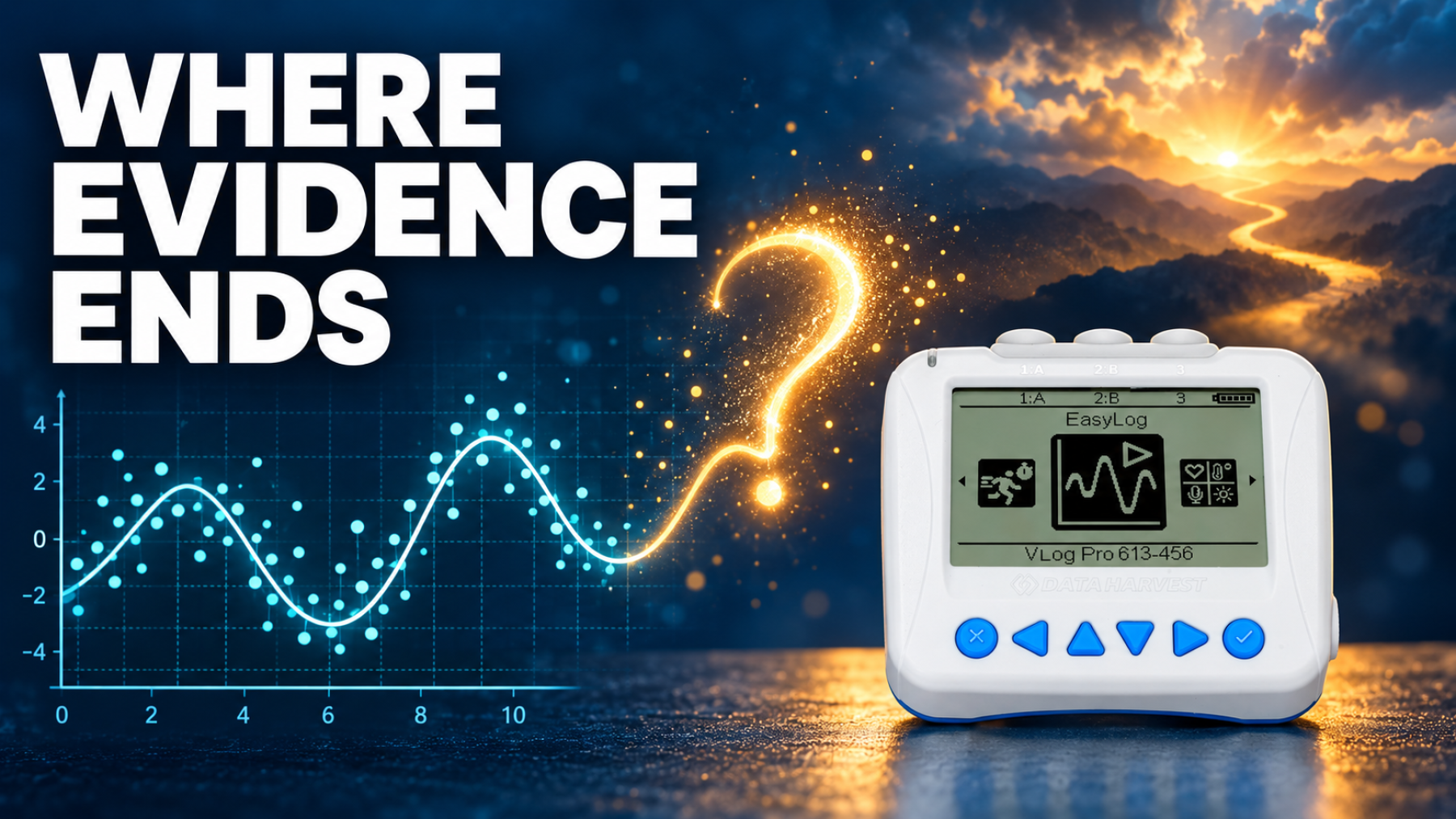
Data Harvest offers both options. The V-Log Pro Data Logger combines built-in sensing, support for wired SmartQ sensors and on-screen data logging in one compact device. Data Harvest Wireless Bluetooth Sensors provide a flexible cable-free route for practical work using individual sensors.
So, what is the difference, and which approach best suits your classroom?
The V-Log Pro combines the strengths of the original V-Log and V-Hub in an updated data logger designed for classroom and remote data collection.
Its large graphical display and redesigned menu allow students to set up investigations, view current readings and review stored data directly on the logger. This is useful when taking a computer or tablet to the experiment would be inconvenient, such as during fieldwork or long-term monitoring.
The V-Log Pro includes:
For schools that already own SmartQ sensors, the V-Log Pro is particularly valuable. Existing wired sensors can be connected to its three external inputs, while Bluetooth allows captured data to be transferred to compatible devices for further work in EasySense2.
The V-Log Pro works well when students need a versatile, self-contained data logger rather than a separate device for every measurement.
It is especially useful for:
Because students can see data on the logger itself, they can check that an experiment is working before returning to a computer for more detailed analysis.
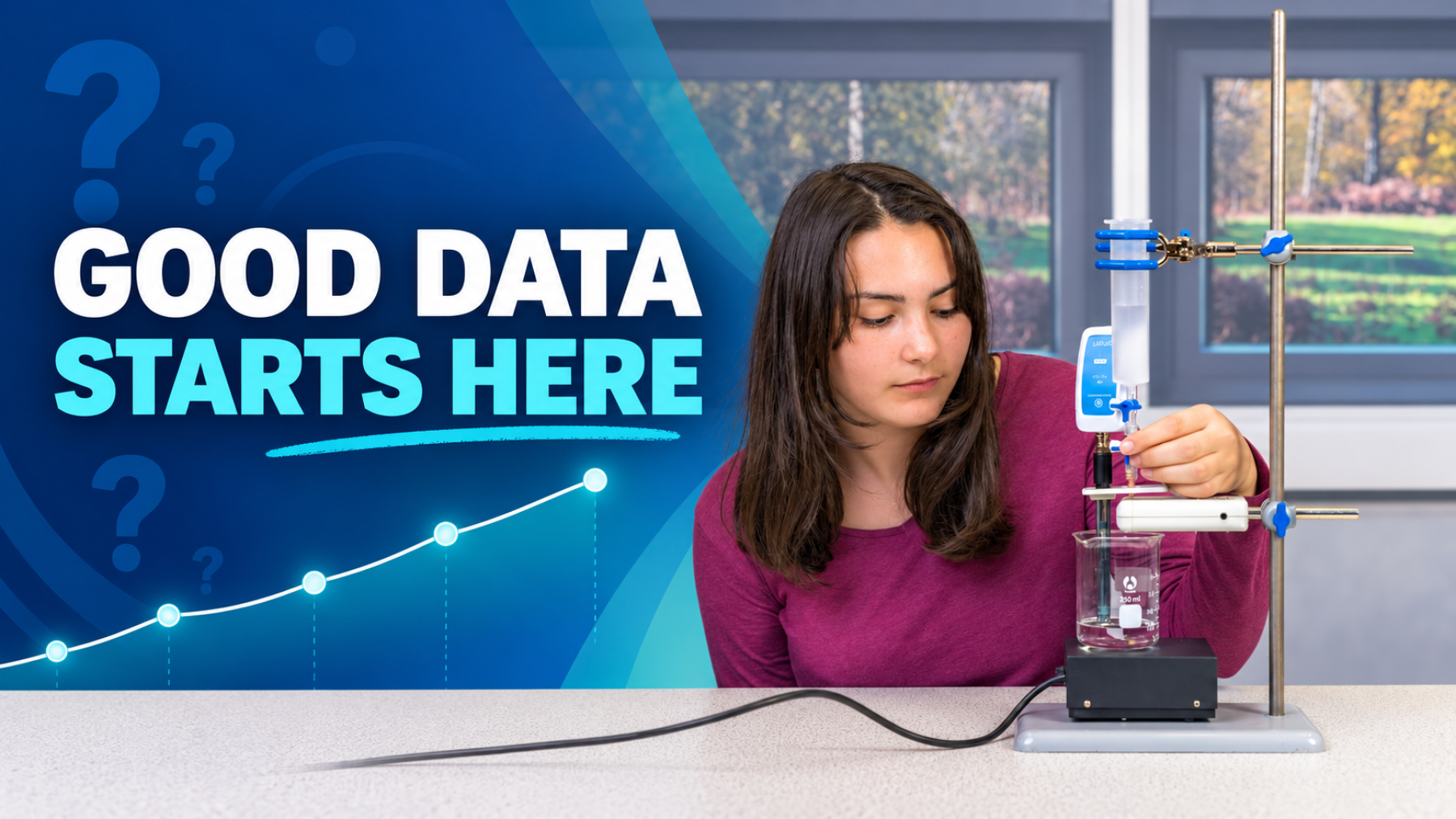
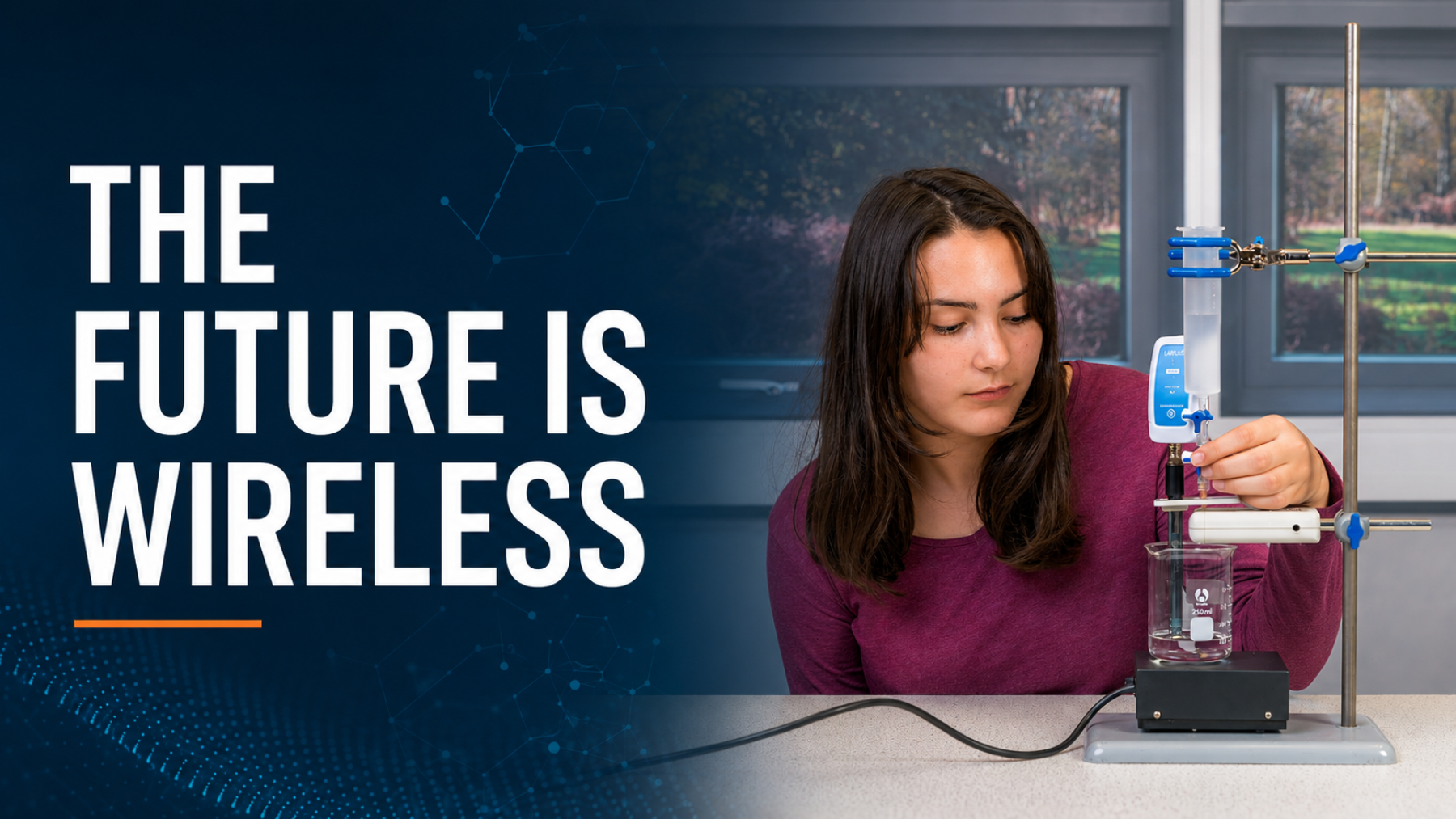
Data Harvest Wireless Bluetooth Sensors combine the sensing and data-logging functions within each sensor. They can connect using Bluetooth or USB to a compatible computer, tablet or phone running EasySense2.
This makes them a convenient choice when a practical needs one particular measurement and students want to display the data immediately on a larger screen. With fewer cables across the bench, groups can move equipment more freely and get practical work under way quickly.
Wireless sensors are well suited to:
Students can watch graphs develop in real time, compare repeated runs and use EasySense2 tools to examine values, trends and differences in the data.
| Classroom need | V-Log Pro | Wireless sensors |
|---|---|---|
| View readings without a separate device | Yes, using the built-in graphical display | A connected device is normally used for live viewing |
| Use existing wired SmartQ sensors | Yes, through three external inputs | No separate SmartQ connection is required for an individual wireless sensor |
| Built-in measurements | Light, sound, humidity and air pressure | Each sensor is selected for its particular measurement |
| Bluetooth and USB connectivity | Bluetooth and USB-C | Bluetooth or USB, depending on the sensor and setup |
| Remote data logging | Designed for portable and remote recording | Available across supported wireless sensor activities |
| Best suited to | Multi-purpose logging, fieldwork and existing SmartQ collections | Flexible, cable-free practicals using individual sensors |
No. The two approaches can complement each other within the same science department.
A school might use V-Log Pro data loggers for fieldwork, multi-sensor investigations and practicals involving its existing SmartQ equipment. Wireless sensors can then provide quick access to specialist measurements or support practical work where direct connection to a student device is preferable.
Both approaches work with EasySense2, giving students a consistent environment for displaying and analysing their results. This helps them concentrate on the science: identifying patterns, comparing evidence and deciding what the data means.
Before deciding, consider the equipment and devices your department already has, the practicals you run most often and where students will collect their data.
The best data-logging system is the one that makes it easier for students to collect reliable evidence and understand what it shows. The V-Log Pro provides an adaptable bridge between existing SmartQ sensors and modern Bluetooth data capture, while wireless sensors offer a simple and flexible route into real-time measurement.
Explore the V-Log Pro range or browse Data Harvest Wireless Bluetooth Sensors to find the right combination for your science department.
Take a look at the following articles from the same topic.